
A cautionary tale about hanging onto your PCC
From spirited church family to empty church building – what went wrong with the diocesan processes in Liverpool?
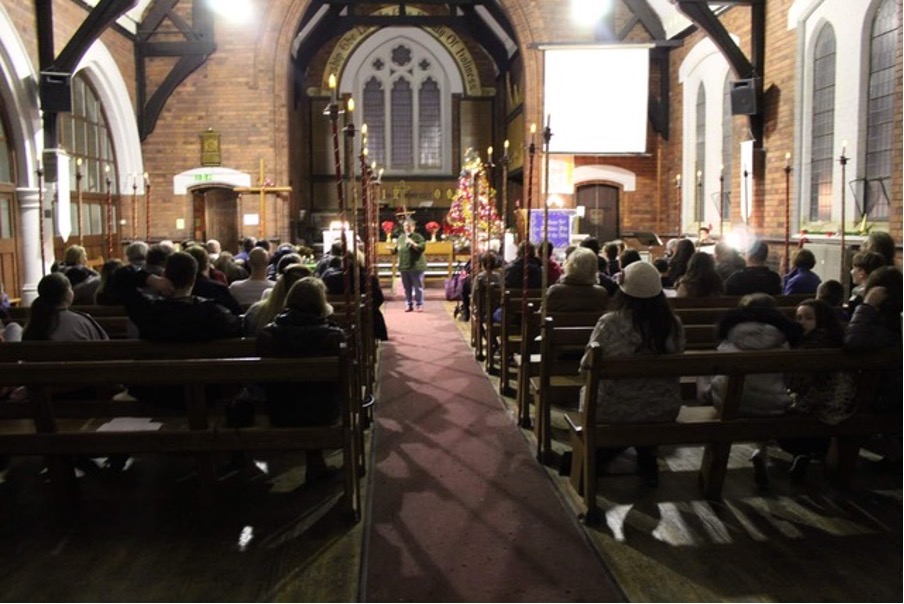
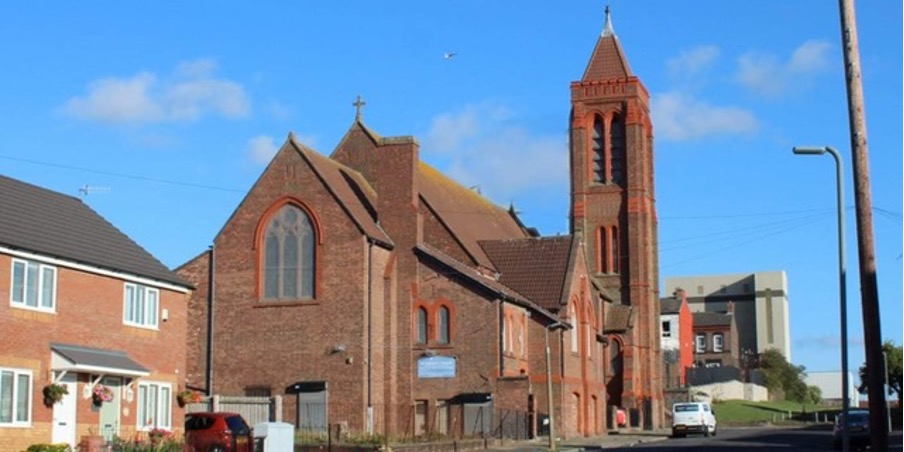
In 2019, the church of St Gabriel’s Dingle, Gabbies, was buzzing, with a feisty, growing congregation. They ran a food bank, supporting the deprived community in which the church is set, and had a strong youth group, with ten 11-16 year-olds worshipping God Sunday and others meeting in the week. The church family was active in caring for the community, employing a community worker and running among other things a baby and toddler group. Hosting another congregation and community groups in their building. Now the church, upgraded in 2019, stands empty, suddenly closed in disputed circumstances for health and safety enquiries in November 2022, and with an uncertain future.
How did it get this way?
A series of blunders by the diocese, with lack of consultation, seem to be largely to blame. Right back at the start, it seems that a health and safety report on the church tower contained some mistakes, which the warden tried to correct. The church warden describing the situation as ‘Health and Safety was effectively weaponised to push for church closure’. But the diocesan Archdeacon ignored their letter and continued with the closure push. PCC members believe that in 2019 their archdeacon had already decided to close the church, and instructed the incoming incumbent accordingly. So a temporary closure for health and safety investigation was pushed through the dual church PCC despite not being on the agenda and PCC members from Gabbies all voting to keep the church open. Safety investigations agreed with the architect and contractor and funded by available general funds were stalled and then ignored. In early 2023, the PCC met to discuss an agenda item reopening the church. The new archdeacon prevented discussion and reopening was off the table. The PCC members representing St Gabriel’s were told – if they didn’t feel able, as charity trustees, to fulfil that charitable role, they should resign. Faced with this and other extraordinary pressure they resigned. The remaining PCC members moved to put permanent closure to the DMPC (Diocesan Mission and Pastoral Committee) at the next opportunity without any further communication with the Gabbies congregation.
A number of letters from former Gabbies’ PCC members to senior clergy in the diocese have gone unanswered, with no response to their reasonable complaints about lack of transparency, procedure and law. These were sent to the archdeacon in December 2022, the Bishop of Warrington in March 2023 and to the DMPC in Feb 2024. Interestingly the diocese has now backtracked, withdrawing its closure request, but not actually reopening the church or offering any plan to resume Anglican worship, maintaining a closed limbo rather than formal closure. The building out of action for over 2.5 years, the former congregation is now scattered and disheartened. A few have moved to other churches, not all Church of England, but most no longer worship anywhere. A letter to the current bishop asking for the church to be represented by an independent advocate has gone unanswered.
What does the future hold?
The diocese is now set on a path to further reduce the number of parishes, by grouping churches into larger parishes. Clergy and PCCs in the deanery which included St Gabriels are already having discussions on this plan, which is called Fit for Mission. But it seems likely that not every church will be willing to give up their PCC, their voice, and their representation. Gabbies found not having its own PCC left it without effective representation or access to legal redress, strongly illustrating a danger in this proposed arrangement. Meanwhile the few Christians in the area who used to worship at Gabbies long for their church building to be open for worship again. They would like an apology from the diocese for the ways in which they have been let down, and some form of reconciliation and a chance to regather those lost.


Too many procedural blunders and lack of transparency by the DMPC and previous Archdeacon & bishop – both of whom have left their roles. Why the replacement post holders haven’t agreed to meet the Gabbies folks to listen to their side of the story and potentially offer an apology is a mystery?
This is an example of the sort of procedural ‘cover ups’ that resulted in so much pain re: safeguarding in the past and has resulted is avoidable declinism in this case.
Another fallen community church isolating the local community. Our church of St Jude’s in Southampton suffered the same fate with closures and consultations and although a petition of 1667 persons to keep the church for Christian services was submitted to the church commissioners it was totally ignored.😢
Big Picture, I blame the consultants that get paid to go in and recommend basically closing everything that is rural or small (or traditional) and making a few hubs – and the weak ADs and Bishops who agree this ‘easy out’ of their responsibilities. The approach would be a good idea if a Diocese is a retail company that needs to streamline and cut costs and monetise assets. They dress it up but essentially it is asset stripping parish assets and a focus on a few places (so called hubs) that probably have ‘new things’ centrally funded. The CCs even grant fund these consultants to come up with this destructive and overly commercial plans. They put private equity companies to shame with their all out, shameless pursuit of cost cutting and destruction, it’s ruthless. Lets be honest – less churches = less clergy = less to pay out for the Diocese and we know they can get central funding for ‘new things’. It is easy to see why they go for it but it is gutless and a failure of responsibility.
A Diocese doing this is not fit for purpose and not fulfilling its main purpose of Cure of Souls. It is cynical and demands a degree of stealth to close things when 60% plus people want their local church open. We have to be vigilant and look out for and help those PCCs and also try to change minds at the Dioceses who seem to be taking the easy way out. Let’s understand which consultants are doing these plans for several Dioceses – paid to wreck the parishes and deprive people of their precious buildings and church communities that are often connected to their buildings (as inconvenient as that is to those in charge). Are these consultants in fact biased in their churchmanship and are they qualified to make these Diocese wide plans? The more they do this the less people will give funds to their church as they don’t want to see it close after putting funds in and frankly it is terrible PR and turns people off the CofE and even damages mission. Often a Diocese will not share its strategy plan after launching it with Press Releases etc as it knows people will not back the reality. Things are hidden even though paid for with charitable funds – why? Also we need to help the general public understand how churches are looked after (or not) so they can act if they want to – a lot of this activity relies on a lack of understanding in the PCCs and communities.
I think we need to enforce the code of conduct of the Mission and Pastoral legislation and also even look at whether some of these Dioceses are flying close to the wind in terms of Charities Governance Code:
Integrity and professionalism:
Act in the charity’s best interests.
Conduct yourself with integrity and avoid damaging the organization’s reputation.
Be polite, honest, and respectful in all interactions.
Things are getting quite serious out there, I think we need to use the legislation/codes of conduct around charities and Mission and Pastoral to enforce transparency and fairness so there is time for people to react and save churches if there is the will. There is a bias to Evangelical New Wine/Soul Survivor type experiences – they see the buildings as ‘old wine skins’. Let’s at least have the conversation and make this more visible. It should not be divisive but a discussion, where I live I have to drive an hour to go to church – if you don’t want messy church, lego church or a man with a guitar, you’re in trouble. Great to have ‘mixed ecology’ but we are fast shrinking to a complete lack of choice due to the bias and commercial approach taken. We are offered what suits them rather than what we want as a community – where is the accountability?
A decade ago I went for orientation selection and I wasn’t suitable apparently. In my presentation I said the church is too busy chasing money not people, and they needed more clergy to be able to concentrate on the parish and visit more. I didn’t agree with the new mission area approach. Congregations were diminishing because the people think the church doesn’t care and feel no loyalty. However, I was seen as just a problem causing individual.